Why Australians look abroad for stem cell therapy
Interest in stem cell therapy in Australia is high, but the treatments people read about (for knee arthritis, back pain, tendon injuries or general wellbeing) are rarely available locally. This is mainly a regulatory issue, not a lack of doctors. Australian regulators have chosen a cautious path because evidence for many uses is still early, and that caution is reasonable.
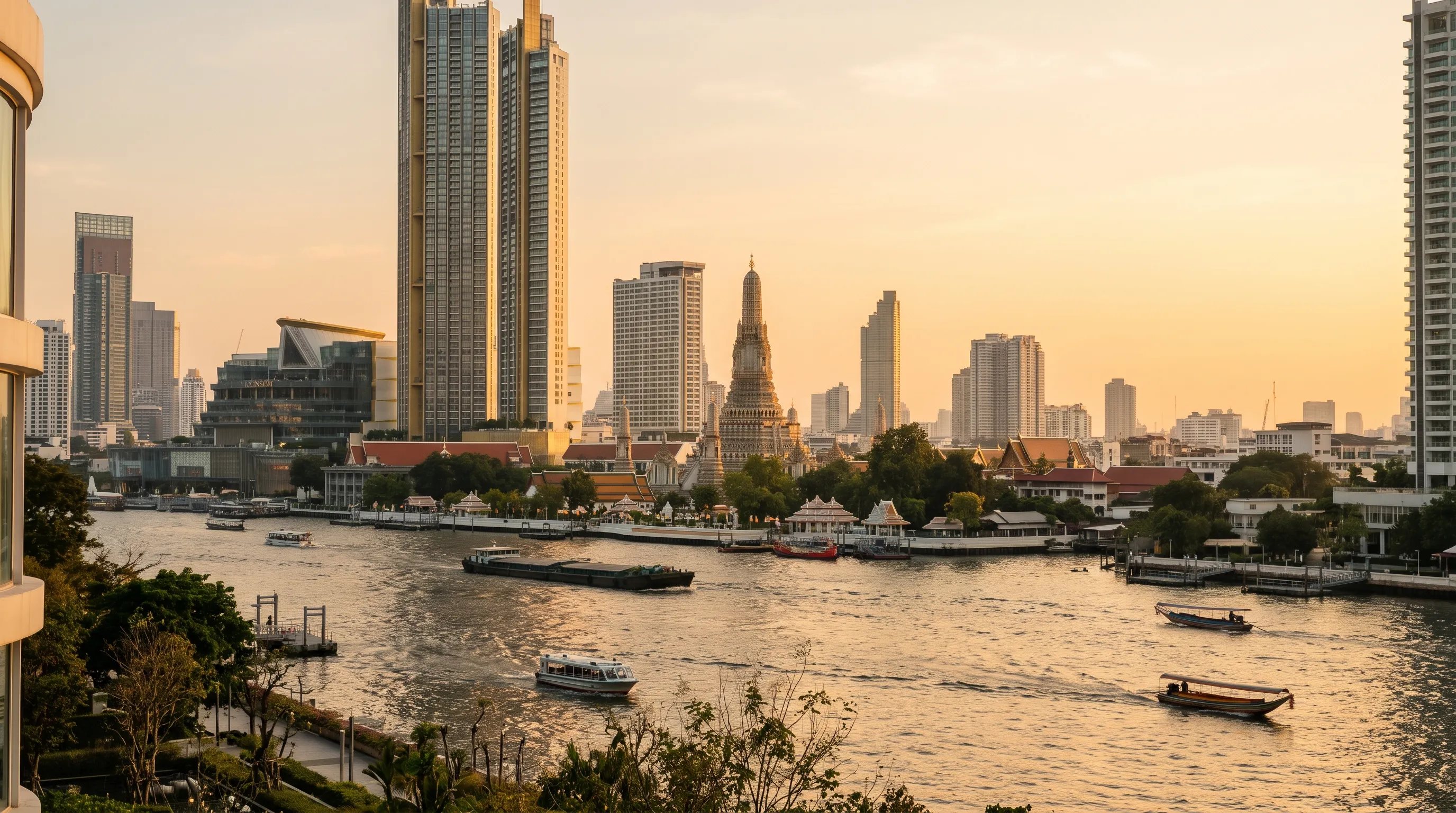
Patients who still want to explore a regenerative option, after trying conventional care, sometimes look to countries where doctor-supervised programs are offered. Thailand is popular with Australians because of short flights, the familiar travel experience, and Bangkok’s large private hospital sector that already treats many international patients.
This page explains the situation honestly so you can make an informed decision with your own doctor.
How the TGA regulates stem cell therapy in Australia
The Therapeutic Goods Administration (TGA) regulates cell and tissue products. Changes that took effect in 2019 narrowed the old exemption that let doctors give patients their own (autologous) cells with little oversight. Today:
- Autologous cell products that are more than minimally manipulated, or used for a different purpose than their original function, are generally regulated as biologicals.
- Advertising autologous stem cell treatments directly to consumers is restricted.
- Well-established uses, such as blood stem cell (bone marrow) transplants for leukaemia and lymphoma, continue in hospitals.
The practical result is that very few clinics in Australia offer stem cell injections for joints, spine or anti-ageing, and those that do work within strict limits. You can read the TGA’s guidance on autologous human cells and tissues on its website, and the NHMRC has published consumer information on unproven stem cell treatments.
What is available in Australia vs Bangkok
| In Australia | In Bangkok (our clinic) | |
|---|---|---|
| Blood stem cell transplants for cancer | Yes, in public and private hospitals | Not our focus |
| Stem cell injections for joints, spine, tendons | Very limited under TGA rules | Doctor-supervised programs after imaging review |
| PRP injections | Widely available | Available, often combined with other care |
| Peptide therapy | Restricted; many peptides are prescription-only or not approved | Doctor-prescribed where appropriate |
| Longevity / NAD+ programs | Some integrative clinics | Structured programs with medical screening |
| Clinical trials | Yes, via ANZCTR-registered trials | Not a trial setting |
If you are eligible for a registered clinical trial in Australia, that is often the best way to access an experimental cell therapy, because it has ethics oversight and long-term follow-up. Search the Australian New Zealand Clinical Trials Registry.
Read more on our main stem cell therapy page, and our Australian guides to knee pain, sciatica, herniated discs, PRP injections and longevity clinics.
What the evidence says
Mesenchymal stem cell (MSC) treatments for knee osteoarthritis, tendon problems and back pain have been studied in small trials. Some studies suggest improvements in pain and function, but results vary, and large, long-term trials are still limited. No reputable doctor can promise that cells will regrow cartilage or cure a condition. The International Society for Stem Cell Research explains what questions to ask in its patient resource A Closer Look at Stem Cells.
Our doctors will tell you if your MRI suggests that a regenerative program is unlikely to help, or that surgery or another option would suit you better.
Flights from Australia to Bangkok
Bangkok’s main international airport is Suvarnabhumi (BKK). Typical direct flight times:
| From | Typical direct time | Notes |
|---|---|---|
| Sydney (SYD) | about 9–9.5 hours | Direct services by Thai Airways and Qantas; many one-stop options |
| Melbourne (MEL) | about 9 hours | Direct services have been operated by Thai Airways and others |
| Brisbane (BNE) | about 8.5–9 hours | Check current direct services; one-stop via Singapore is common |
| Perth (PER) | about 7 hours | Direct services and many one-stop options |
| Adelaide, Darwin, Gold Coast | varies | Usually one-stop via Singapore, Kuala Lumpur or an east-coast city |
Schedules change seasonally, so check airlines directly. After joint or spine procedures, book an aisle seat and plan to move around regularly on the return flight. See our city guides for Sydney, Melbourne, Brisbane, Perth and the Gold Coast.
Visa and entry rules for Australian passport holders
Australian citizens have generally been able to enter Thailand visa-exempt for short tourist stays. Since 15 September 2026 the standard visa exemption for tourism allows stays of up to 30 days (down from 60 days); one extension of up to 30 days may be requested at a Thai immigration office. Rules change, so check before you book. Thailand also introduced an online Thailand Digital Arrival Card (TDAC) that most visitors complete before arrival.
For longer treatment programs there is a medical treatment visa category. Check current rules on the official Thai e-Visa website and the Royal Thai Embassy in Canberra, and make sure your passport has at least six months’ validity.
Insurance, Medicare and medical records
- Medicare does not cover treatment overseas.
- Private health insurance usually excludes elective treatment abroad. Ask your fund in writing.
- Travel insurance often excludes planned medical treatment. Look for a policy that specifically covers medical travel and complications.
- The Australian Government’s Smartraveller site has advice on travelling for medical treatment.
Bring copies of your imaging reports, specialist letters, a current medication list and allergies. If you use My Health Record, download the relevant documents before you travel.
Getting an MRI in Australia and sending it to us
Most patients already have an MRI or X-ray. If not, your GP or specialist can refer you to a radiology practice; Medicare rebates for MRI depend on specific referral rules, so some people choose to pay privately. Ask the practice for:
- The written radiologist’s report.
- The images (usually a download link, or DICOM files on a USB or disc).
Send the report and link on WhatsApp. A doctor reviews it free of charge and replies with whether you may be a candidate and what a personalised program would involve. Learn more on send your MRI.
Follow-up with your GP back home
Regenerative programs are not “one and done”. After you return:
- Give your GP the written treatment summary, including what was injected, where and when.
- Expect some soreness for a few days after injections; report fever, increasing redness or swelling to a doctor promptly.
- Continue physiotherapy or a prescribed exercise program — this matters as much as any injection.
- Send progress updates or follow-up scans on WhatsApp so our doctors can review them.
Some Australian GPs are sceptical about overseas regenerative treatment. That is understandable. Being open and sharing full records helps them care for you safely. See aftercare.
WhatsApp consults and time zones
Bangkok is on UTC+7 all year. That means Bangkok is:
- 3 hours behind Sydney, Melbourne, Canberra and Hobart in winter (AEST), and 4 hours behind in summer (AEDT)
- 3 hours behind Brisbane all year
- 1 hour behind Perth
Morning messages from Australia arrive in our early morning, so replies usually come the same day.
Who should not travel for stem cell therapy
Treatment abroad is not suitable for everyone. It is usually not appropriate if you have an active infection, active cancer, are pregnant, have uncontrolled diabetes or heart disease, or have a condition that clearly needs surgery (such as severe nerve compression with weakness). Conventional options such as physiotherapy, weight management, medication and, where needed, surgery should come first. Read about safety and how it works.
Guides for patients from Australia
- Exosome Therapy for AustraliansExosome therapy for Australians: what exosomes are, TGA regulation, evidence for skin, hair and joints, risks, and supervised use in Bangkok.
- Frozen Shoulder Treatment for AustraliansFrozen shoulder treatment for Australians: physio, cortisone and hydrodilatation, surgery, what the evidence shows, and regenerative options in Bangkok.
- Herniated Disc Treatment for AustraliansHerniated disc treatment for Australians: natural recovery, physio, injections, surgery, MRI and Medicare, and regenerative care in Bangkok.
- Knee Pain Treatment for AustraliansKnee pain treatment for Australians: national care standards, physio and surgery waits, and when PRP or stem cell programs in Bangkok may be an option.
- Longevity Clinic Programs for AustraliansAustralians looking for a longevity clinic: what local clinics offer, what the evidence says, and how a doctor-led longevity program in Bangkok works.
- NAD+ IV Therapy for AustraliansNAD+ IV therapy for Australians: what NAD+ is, what research shows, safety, local availability and doctor-supervised NAD+ programs in Bangkok.
- Neuropathy Treatment for AustraliansNeuropathy treatment for Australians: finding the cause, nerve pain medicines, diabetes foot care and what regenerative research offers.
- Non-Surgical Hair Loss Treatment for AustraliansNon-surgical hair loss treatment for Australians: what GPs and dermatologists offer, PRP and regenerative scalp programs in Bangkok, and who they suit.
- Peptide Therapy for AustraliansPeptide therapy in Australia: TGA rules, online peptide risks, what the evidence says and how doctor-prescribed peptide therapy works in Bangkok.
- PRP Injections for AustraliansPRP injections for Australians: Medicare status, evidence for knees and tendons, risks, and how PRP fits a Bangkok regenerative program.
- Sciatica Treatment for AustraliansSciatica treatment for Australians: the national back pain care standard, physio, injections, surgery and regenerative care in Bangkok.
- Stem Cell Therapy for Brisbane PatientsStem cell therapy for Brisbane patients: TGA limits, flights from BNE to Bangkok, getting your MRI, consult times and GP aftercare.
- Stem Cell Therapy for Gold Coast PatientsStem cell therapy for Gold Coast patients: TGA limits, flying to Bangkok via Brisbane or OOL, your MRI, consult times and aftercare.
- Stem Cell Therapy for Melbourne PatientsStem cell therapy for Melbourne patients: TGA limits, flights from Tullamarine to Bangkok, getting your MRI, consult times and aftercare.
- Stem Cell Therapy for Perth PatientsStem cell therapy for Perth patients: TGA limits, direct flights to Bangkok, getting your MRI in WA, consult times and GP aftercare.
- Stem Cell Therapy for Sydney PatientsStem cell therapy for Sydney patients: TGA limits, direct flights from SYD to Bangkok, getting your MRI, consult times and GP follow-up.
Frequently asked questions
Is stem cell therapy legal in Australia?
Approved uses such as bone marrow and cord blood transplants for blood cancers are legal and widely used. Since 2019 the TGA has regulated most other autologous cell products as biologicals and restricts advertising them to the public, so many elective uses are not offered.
Does Medicare cover stem cell therapy overseas?
No. Medicare does not pay for treatment received outside Australia. Private health funds generally exclude elective overseas treatment too. Check your policy and consider travel insurance that covers planned medical travel.
How long is the flight from Australia to Bangkok?
Direct flights take roughly 9 hours from Sydney and Melbourne, about 8–9 hours from Brisbane and about 7 hours from Perth. One-stop routes via Singapore or Kuala Lumpur are also common.
Do Australians need a visa for Thailand?
Australian passport holders have generally been able to enter Thailand visa-exempt for short stays. Rules change, so check the official Thai e-Visa site and the Thai Embassy in Canberra before you book, especially for longer treatment stays.
Can my Australian GP manage follow-up after treatment in Bangkok?
Yes, in most cases. You receive a written treatment summary and medication list to give your GP, and our doctors can review follow-up imaging or reports you send on WhatsApp.
How much does stem cell therapy in Bangkok cost for Australians?
Cost depends on your diagnosis, the type of program and how many sessions you need. Send your MRI and reports on WhatsApp for a free doctor review and a personalised program.
This page is general information, not medical advice, and does not replace a consultation with your own doctor. Results vary and no treatment outcome can be guaranteed. We are a patient coordination service and may receive a referral fee from partner medical providers. See our medical disclaimer and referral disclosure.