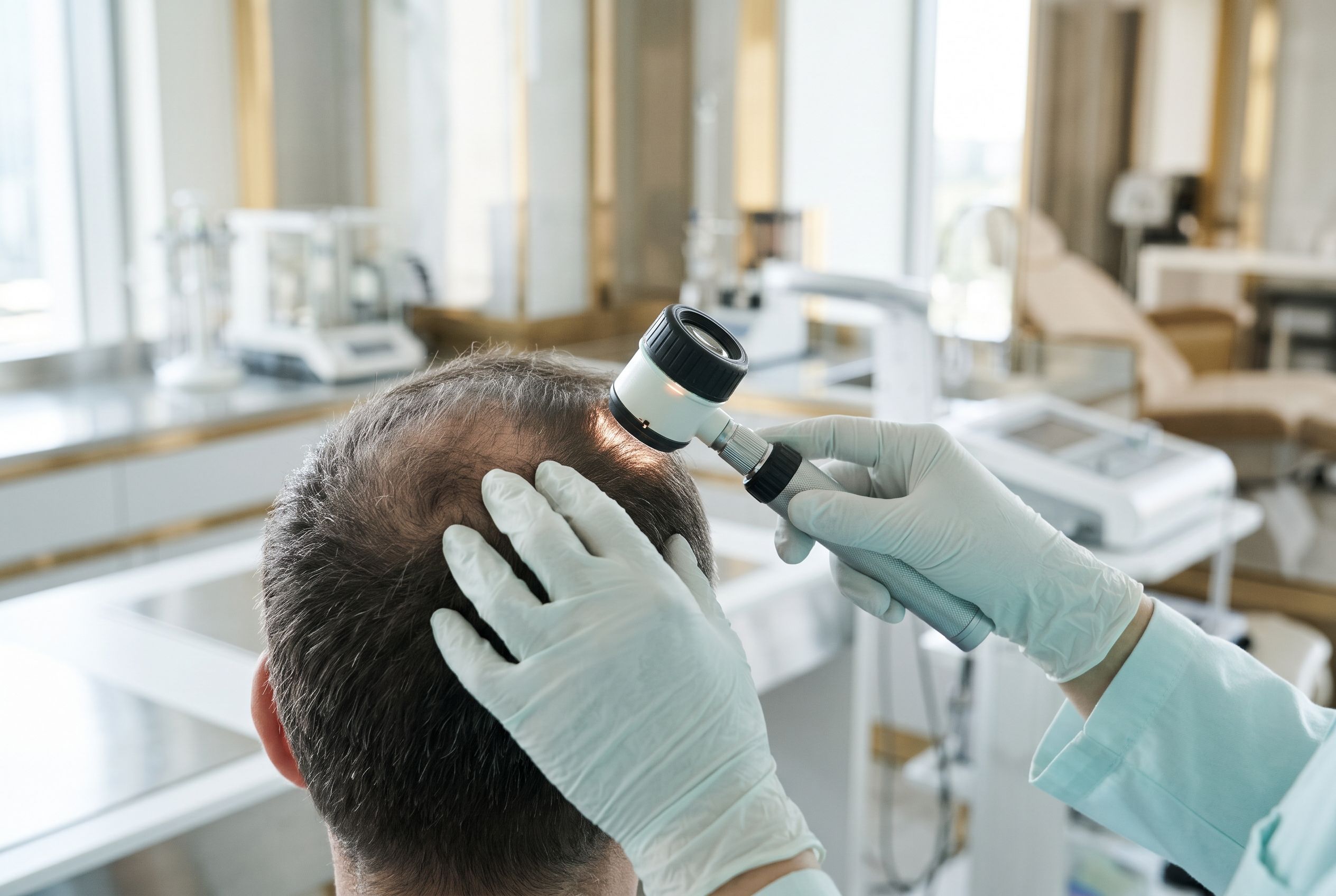
Hair loss treatment in Australia
Hair loss is common in Australia: pattern hair loss affects many men by middle age and a significant number of women, while stress, illness, iron deficiency, thyroid problems and post-pregnancy shedding cause temporary loss. Searches for hair loss treatment in Australia often lead to clinics with aggressive marketing, so a clear medical diagnosis is the best starting point.
The Australasian College of Dermatologists recommends seeing a GP or dermatologist to identify the type of hair loss, because treatment depends on the cause. The NHS also has a helpful overview of hair loss.
Conventional options first
| Option | Access in Australia | Evidence |
|---|---|---|
| Topical minoxidil | Pharmacy, no prescription | Good for pattern hair loss |
| Finasteride (men) | Prescription | Good for male pattern hair loss |
| Low-dose oral minoxidil | Prescription, off-label | Growing evidence |
| Spironolactone (some women) | Prescription | Moderate evidence |
| Treating iron, thyroid or other causes | GP blood tests | Essential where relevant |
These treatments take months to show results and need to be continued.
Where PRP and regenerative scalp care fit
Platelet-rich plasma (PRP) uses a concentrate of your own platelets injected into the scalp. Small randomised trials in androgenetic alopecia suggest modest improvements in hair density and thickness, usually as an add-on to standard treatment. Results vary and maintenance is needed.
Exosome and other cell-derived scalp treatments are newer. Evidence is early-stage and mostly from small studies, so we present them as experimental options, not proven therapies. Read more on our hair loss regenerative program, PRP and exosome therapy pages.
We do not offer hair transplants, FUE or any hair surgery.
Who may benefit — and who should not
May suit: early to moderate pattern hair loss, people already using minoxidil or finasteride who want to add PRP, and people who cannot tolerate medicines.
Not suitable: scarring alopecias (need dermatology care), active scalp infection, blood or platelet disorders, people on certain blood thinners, pregnancy, and active cancer.
Risks
Scalp tenderness, mild swelling, headache and pinpoint bleeding are common for a day or two. Infection is rare with sterile technique. Some people see no meaningful improvement.
Travelling from Australia
Many Australians already visit Thailand on holiday; a PRP session can fit into a short stay because downtime is minimal. Direct flights take about 9 hours from Sydney and Melbourne and about 7 hours from Perth. Check visa-exempt entry rules on the Thai e-Visa site. Because PRP needs maintenance, discuss with your doctor whether some sessions can be done in Australia between trips.
Sun, scalp and hair loss in Australia
Australia has some of the highest UV levels in the world, and thinning hair leaves the scalp exposed. Scalp sunburn is uncomfortable after PRP injections and, over years, sun damage on the scalp increases skin cancer risk. Wear a broad-brimmed hat outdoors, both in Australia and in Bangkok, and avoid strong sun on the scalp for a few days after treatment. If you notice a scalp spot that changes, bleeds or does not heal, see your GP for a skin check — this matters more than any hair treatment.
Questions to ask any hair clinic
Whether you choose a clinic in Sydney, Melbourne or Bangkok, ask:
- Who makes the diagnosis, and is it a doctor?
- Which type of hair loss do I have, and what is the evidence for this treatment in that type?
- How is PRP prepared, and how many sessions are planned?
- How will progress be measured (photos, trichoscopy)?
- What happens if there is no improvement after the course?
A clinic that promises guaranteed regrowth, or pushes long prepaid packages before diagnosing you, is a warning sign.
Follow-up at home
Take standardised photos every few months in the same light. Continue prescribed medicines with your GP. Send photos on WhatsApp for review.
How to start
Send clear scalp photos (front, top, crown), any blood tests and a list of current treatments on WhatsApp for a free doctor review. See the Australia guide and how it works.
Frequently asked questions
What is the most effective hair loss treatment in Australia?
For male and female pattern hair loss, minoxidil and (for men) finasteride have the strongest evidence. A dermatologist can advise on other prescription options. PRP may add modest benefit for some people.
Does PRP for hair loss work?
Several small randomised trials suggest PRP can modestly improve hair density in androgenetic alopecia, but results vary and repeat sessions are needed. It does not work for every type of hair loss.
Do you offer hair transplants?
No. We do not offer hair transplants, FUE or any hair surgery. Our hair programs are non-surgical only.
How many sessions are needed?
PRP is usually given as a short course followed by maintenance sessions. Your doctor will suggest a plan based on your diagnosis and how often you can travel.
How much does non-surgical hair loss treatment cost?
It depends on your diagnosis and plan. Send scalp photos and any blood tests on WhatsApp for a personalised program.
Is PRP for hair loss covered by Medicare?
No. PRP for hair loss is a cosmetic or elective treatment and does not attract a Medicare rebate. Private health extras rarely cover it, so check your policy before booking anywhere.
How long before I see results from PRP?
Most people need three to six months to judge results, because hair grows slowly. Take standardised photos before treatment and every few months afterwards so you and your doctor can compare fairly.
This page is general information, not medical advice, and does not replace a consultation with your own doctor. Results vary and no treatment outcome can be guaranteed. We are a patient coordination service and may receive a referral fee from partner medical providers. See our medical disclaimer and referral disclosure.