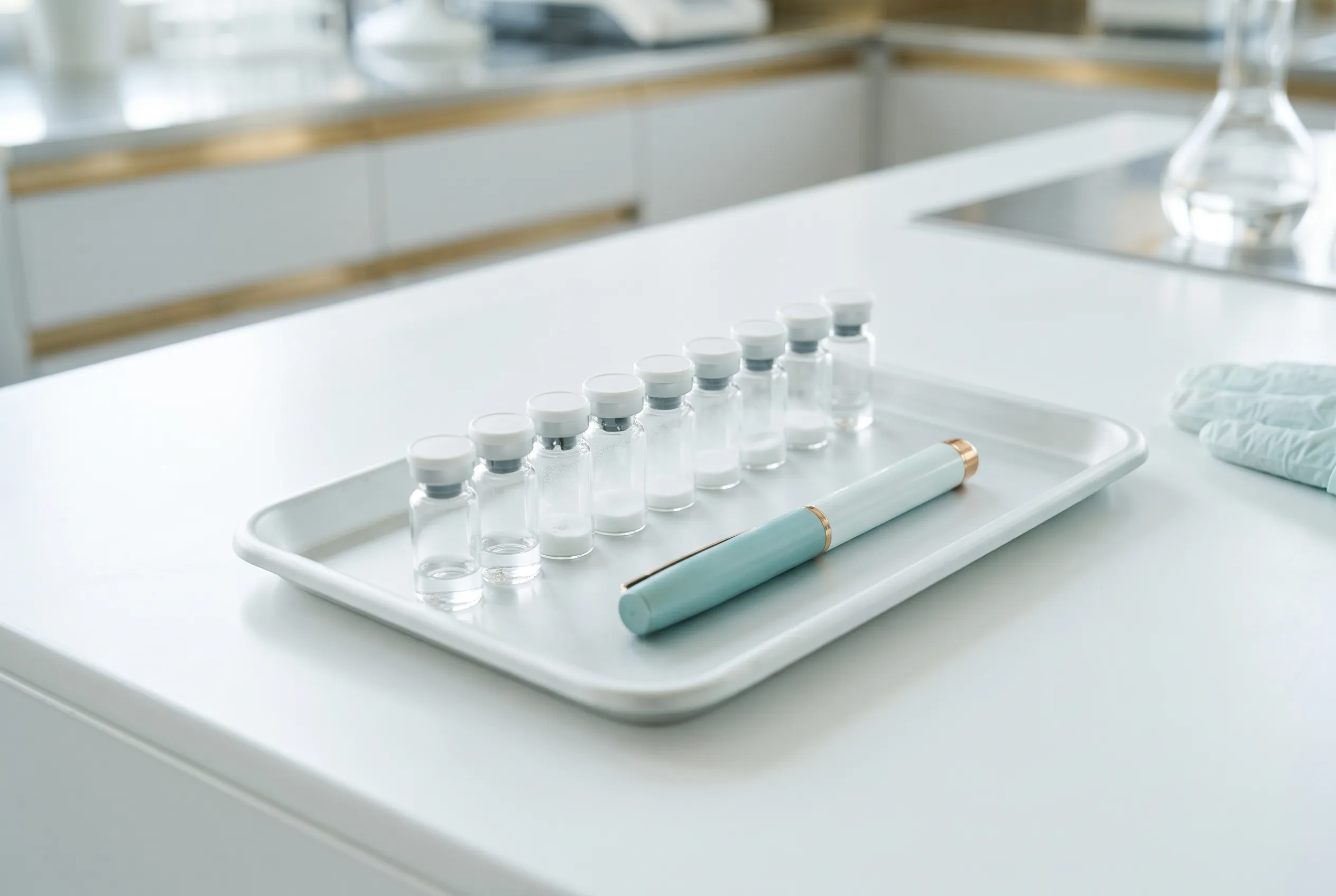
Peptide therapy in Australia
Interest in peptide therapy in Australia has grown through social media, gyms and anti-ageing clinics. Peptides are short chains of amino acids. Some are well-established medicines — insulin and GLP-1 medicines are peptides — while others are experimental compounds promoted for healing, muscle, fat loss or ageing.
The Therapeutic Goods Administration regulates peptides as medicines. Approved peptides need a prescription. Many popular “healing” peptides are not approved for human use in Australia, and the TGA has taken action against unlawful supply and advertising. Buying from websites that label products “for research only” carries real risks of contamination and incorrect dosing.
What the evidence says
- Approved peptide medicines (for diabetes, weight management, osteoporosis and other conditions) have solid clinical trial evidence for specific uses.
- Experimental peptides such as BPC-157 or TB-500 have mainly animal and laboratory data. Human evidence is very limited, and long-term safety is unknown.
We explain this difference to every patient. Peptides are considered only as part of a medically supervised plan, and only when the potential benefit outweighs the uncertainty. Read more on our peptide therapy page.
Conventional care first
If you are considering peptides for an injury, start with a diagnosis, physiotherapy and load management. For weight or metabolic goals, see your GP; approved medicines may be available on prescription in Australia. For ageing concerns, lifestyle foundations matter most — see our longevity program.
How doctor-led peptide therapy works in Bangkok
- You send your history, recent blood tests and any imaging on WhatsApp.
- A doctor reviews whether peptides are appropriate, and discusses alternatives.
- If suitable, a plan is prescribed with clear dosing, monitoring and stopping rules.
- Peptides may be combined with regenerative treatments such as stem cell therapy or PRP for tendon and joint problems.
Before taking any medicine home, check Australian import rules: the TGA’s personal importation rules and Australian Border Force requirements apply, and some substances cannot be brought into Australia. We will not advise you to import anything unlawfully.
Who should not use peptide therapy
- Pregnant or breastfeeding women
- People with active cancer or a history of certain cancers (some peptides affect growth pathways)
- Athletes in tested sport, unless cleared — many peptides are on the WADA prohibited list
- People with uncontrolled medical conditions without their doctor’s input
Risks and side effects
Injection-site redness or pain, nausea, headache, flushing, changes in blood sugar or water retention, depending on the peptide. Unknown long-term effects for experimental peptides are the main concern.
Travelling from Australia
Bangkok is about 9 hours from Sydney or Melbourne and about 7 hours from Perth. Australians have generally been able to enter visa-exempt for short stays; confirm on the Thai e-Visa site. Medicare does not cover overseas treatment. See the Australia guide.
Red flags when choosing a peptide provider
Peptide marketing in Australia is often driven by gyms, influencers and overseas websites. Be cautious if a provider:
- Sells peptides without a medical consultation or blood tests
- Labels products “not for human consumption” or “research use only”
- Promises fat loss, muscle gain or injury healing without discussing evidence
- Cannot tell you where the product was manufactured or how it is stored
- Encourages you to bring large quantities back to Australia
A safe program starts with a diagnosis, explains which peptides are approved medicines and which are experimental, uses products from known pharmaceutical sources, and includes monitoring. If you are already using peptides bought online, tell your doctor — it is important for safety, and no one will judge you for it.
Follow-up at home
Share your treatment summary with your GP. Blood tests can usually be repeated locally and sent on WhatsApp for review. Stop any peptide and seek medical advice if you develop unusual symptoms.
How to start
Send your recent blood tests, medication list and goals on WhatsApp for a free doctor review. See how it works.
Frequently asked questions
Is peptide therapy legal in Australia?
Some peptides are approved medicines available on prescription. Many others promoted online, such as BPC-157, are not approved by the TGA and cannot legally be sold for human use.
Is it safe to buy peptides online?
No. Online 'research peptides' may be contaminated, mislabelled or wrongly dosed. The TGA has warned consumers about unapproved peptides and similar products.
Do peptides help injuries heal faster?
Some peptides show promise in animal and laboratory studies, but good-quality human trials are limited. They should not replace diagnosis, physiotherapy or proven treatment.
Are peptides banned in sport?
Many peptides are on the World Anti-Doping Agency prohibited list. If you compete in tested sport, check with Sport Integrity Australia before any treatment.
How much does peptide therapy cost?
It depends on your medical assessment and plan. Send your reports on WhatsApp for a personalised program.
Can I bring peptides back into Australia?
Many peptides cannot legally be imported, and personal importation rules are strict. Check TGA and Australian Border Force rules before travelling. We will not advise you to import anything unlawfully.
Are GLP-1 medicines a type of peptide therapy?
Yes. GLP-1 medicines are approved peptide medicines with strong trial evidence for diabetes and, in some cases, weight management. They are prescribed by doctors in Australia under TGA rules.
This page is general information, not medical advice, and does not replace a consultation with your own doctor. Results vary and no treatment outcome can be guaranteed. We are a patient coordination service and may receive a referral fee from partner medical providers. See our medical disclaimer and referral disclosure.