What is spinal stenosis?
Spinal stenosis is a narrowing of the spaces in the spine, either the central canal that holds the spinal cord and nerves, or the side openings (foramina) where nerve roots exit. When space is reduced, nerves can be squeezed, causing pain, numbness and weakness. Treatment for spinal stenosis depends on where the narrowing is and how much it affects walking and nerve function.
It most often affects the lower back (lumbar stenosis) and the neck (cervical stenosis).
Lumbar stenosis symptoms:
- Pain, heaviness, cramping or numbness in the buttocks and legs when standing or walking (neurogenic claudication)
- Relief when sitting or bending forward, such as leaning on a shopping trolley
- Lower back pain, and sometimes sciatica-like leg pain
Cervical stenosis symptoms:
- Neck pain and arm pain or tingling
- Clumsy hands, difficulty with buttons or handwriting, or balance problems, which can signal spinal cord compression
The NHS page on when lumbar decompression surgery is used and the Mayo Clinic spinal stenosis guide give helpful overviews.
Causes and risk factors
Most spinal stenosis is caused by age-related changes, which is why it is most common after 50:
- Degenerative disc disease and disc bulges
- Arthritis of the facet joints, with bony spurs (osteophytes)
- Thickening of the ligamentum flavum, a ligament inside the canal
- Spondylolisthesis, where one vertebra slips forward
Less often it results from a narrow canal from birth, previous injury or surgery, or conditions such as Paget’s disease.
Diagnosis: why MRI is central
Doctors ask about how far you can walk, what relieves symptoms and whether you have hand or balance problems. Examination checks strength, reflexes and sensation. It is also important to rule out poor leg circulation, which can cause similar walking pain.
MRI is the main test. It shows how narrow the canal or foramina are, what is causing the narrowing and whether the spinal cord or nerve roots are compressed. X-rays, including flexion and extension views, show slippage and instability. CT or CT myelography is used if MRI is unsuitable.
Because treatment choices depend on exactly where and why the narrowing occurs, an up-to-date scan matters. You can send your MRI for a doctor review before planning anything.
Conventional treatment for spinal stenosis
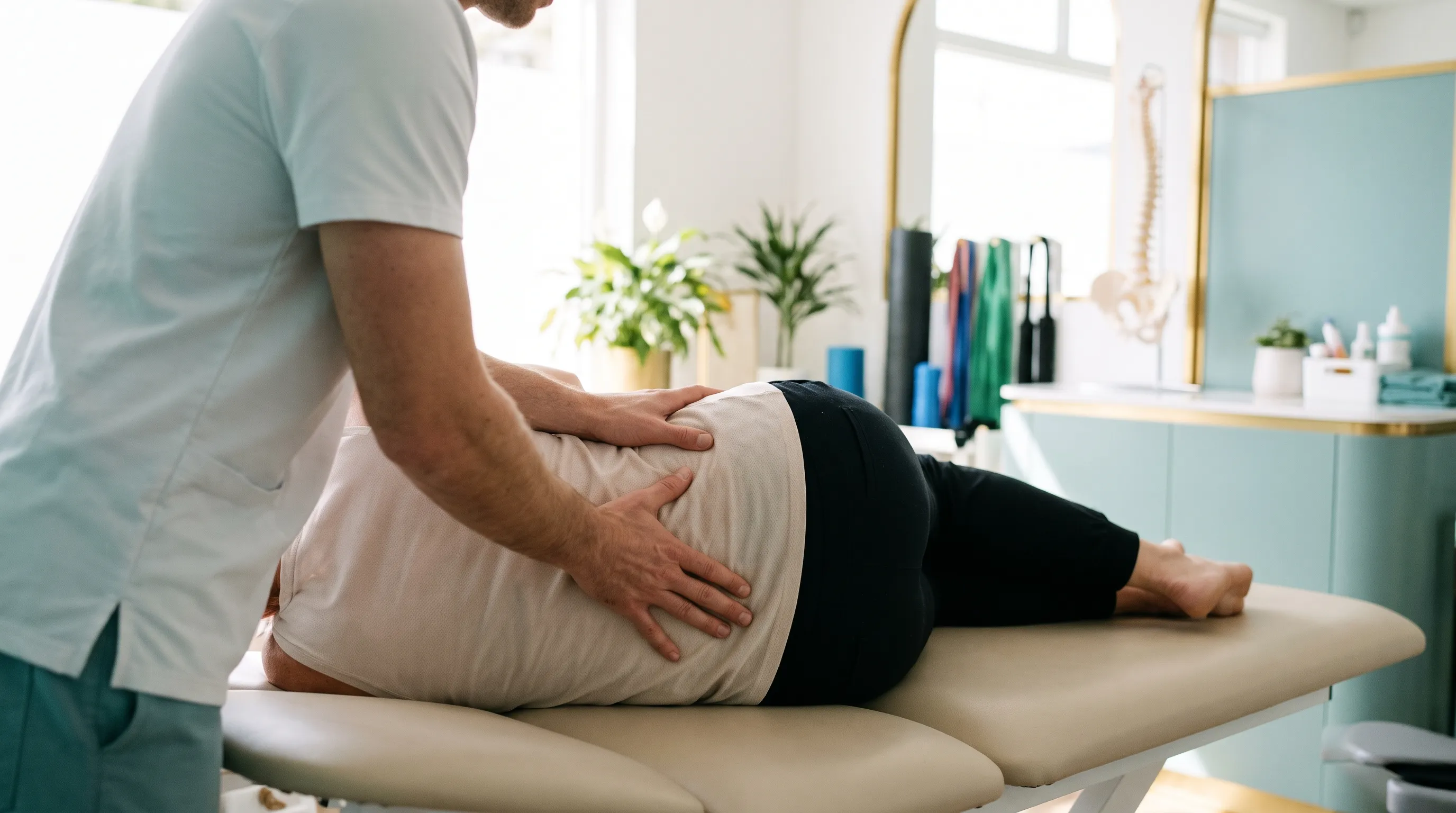
- Physiotherapy and exercise. Spinal stenosis physical therapy focuses on flexion-based exercises, core and hip strength, walking tolerance and cycling. Many people improve their walking distance.
- Medicines. Anti-inflammatories and other pain relief can help flare-ups. Evidence for nerve pain medicines in stenosis is weak.
- Epidural steroid injections. May give short-term relief of leg pain for some people. Trials show benefits are modest and often temporary.
- Decompression surgery (laminectomy or laminotomy). Removes bone and ligament to make space. It has the strongest evidence for improving leg pain and walking in moderate to severe lumbar stenosis. Fusion is added if the spine is unstable.
- Cervical stenosis with cord compression usually needs surgical review, because nerve damage to the cord may not recover.
Regenerative options: what the evidence says
It is important to be clear: regenerative injections cannot widen a narrowed spinal canal or remove bony spurs and thickened ligaments. Where they may have a role is in related pain generators, such as a painful degenerated disc or arthritic facet joints, in people with mild to moderate stenosis.
- Stem cell therapy: mesenchymal stromal cells have been studied in small early trials for disc degeneration, which often coexists with stenosis. Evidence specific to stenosis is very limited. See PubMed research on stem cells and spinal stenosis.
- PRP therapy: platelet-rich plasma injected into facet joints or around nerve roots. Small studies suggest possible short-term pain relief, comparable in some studies to steroid, but the evidence is low quality.
None of these is an approved stenosis treatment in the US, UK or Australia. The US FDA cautions patients about unapproved stem cell therapies.
Comparing spinal stenosis treatment options
| Option | Can it widen the canal? | Evidence | Typical role |
|---|---|---|---|
| Physiotherapy and exercise | No | Moderate | First line for most |
| Pain medicines | No | Limited to moderate | Flare-ups |
| Epidural steroid injection | No | Modest, short term | Leg pain flare-ups |
| Decompression surgery | Yes | Strongest for leg symptoms | Severe or progressive cases |
| PRP (facet or epidural) | No | Early, small studies | Related joint or nerve pain |
| Stem cell (MSC) therapy | No | Very early for stenosis | Related disc pain, mild cases |
Living with spinal stenosis: practical self-help
Small daily changes can make a real difference to how far you can walk and how you feel:
- Use flexion to your advantage. Leaning forward opens the canal, which is why many people walk further with a trolley, walking poles or a stick.
- Choose cycling or water exercise. A stationary bike keeps the spine slightly flexed and builds fitness without provoking symptoms.
- Walk little and often. Several short walks with sitting breaks usually beat one long walk.
- Keep a healthy weight and stop smoking. Both reduce load on the spine and support disc and bone health.
- Track your walking distance. A falling walking distance, new weakness or balance changes are useful signals for your doctor and help decide when imaging or surgery should be reconsidered.
Who may be a candidate for regenerative treatment?
- Mild to moderate stenosis with pain mainly from degenerated discs or facet joints
- No spinal cord compression and no progressive weakness
- Symptoms persisting despite physiotherapy and medicines
- People who are unsuitable for, or wish to delay, surgery and understand the limited evidence
Who should not have regenerative treatment
- Severe stenosis with marked walking limitation, or cervical cord compression (myelopathy)
- Cauda equina symptoms such as bladder or bowel changes or saddle numbness
- Unstable spondylolisthesis needing surgical stabilisation
- Active infection, cancer, bleeding disorders, uncontrolled diabetes or pregnancy
Risks and side effects
Spinal injections can cause temporary pain flares, stiffness, bruising and soreness. Uncommon risks include infection, bleeding, nerve irritation, headache after dural puncture and allergic reactions. People taking blood thinners need a medical plan before any spinal procedure. Long-term safety data for cell products in the spine are limited. Cells used in our programmes are prepared in ISO 9001:2015-certified partner laboratories.
What a spinal stenosis treatment trip to Bangkok looks like
- Before travel: send your MRI, X-rays and reports on WhatsApp. A doctor checks the severity of stenosis and whether surgery should be your first conversation instead.
- Day 1: consultation, neurological examination and imaging review.
- Day 2 to 4: image-guided procedures, if appropriate, with observation afterwards.
- Final days: follow-up check and a walking and exercise program.
Plan for roughly 5 to 10 days in Bangkok depending on the protocol. Patients travel from Australia, the UK, the US and Canada. See how it works. No outcome is guaranteed.
Recovery and aftercare at home
- Keep walking daily, using short rests or a walking aid if needed
- Continue flexion-based exercises and cycling as advised
- Avoid heavy lifting and prolonged standing in the first weeks
- Share symptom updates with the medical team on WhatsApp
- Arrange a follow-up review with your local doctor
New weakness, falls, hand clumsiness or bladder changes need urgent medical review.
Frequently asked questions
What is the best treatment for spinal stenosis?
There is no single best treatment. Many people manage well with physiotherapy, staying active and pain relief. If walking distance becomes very limited or there is nerve damage, decompression surgery has the strongest evidence for relieving leg symptoms.
Can spinal stenosis get better without surgery?
Symptoms often stay stable or improve with non-surgical care, even though the narrowing itself does not reverse. Studies following people with lumbar stenosis show that many never need surgery.
Can stem cells reverse spinal stenosis?
No. Stenosis is mostly caused by bone spurs, thickened ligaments and bulging discs, which stem cells cannot remove. Regenerative injections are sometimes studied for related disc or facet joint pain, but evidence is early and they are not a substitute for decompression when it is needed.
What should I avoid with spinal stenosis?
Long periods of standing upright or walking downhill, and activities that arch the back, often worsen lumbar stenosis symptoms. Avoiding activity altogether is not advised, as fitness and strength help. Cycling and walking with support are often easier.
Is cervical spinal stenosis more serious than lumbar?
It can be. Narrowing in the neck may press on the spinal cord itself (myelopathy), causing clumsy hands, balance problems or leg weakness. This needs prompt specialist assessment, and surgery is often recommended if the cord is affected.
How much does spinal stenosis treatment in Bangkok cost?
It depends on the level and severity of stenosis on your MRI and the plan your doctor recommends. Send your MRI on WhatsApp for a free doctor review and a personalised program.
This page is general information, not medical advice, and does not replace a consultation with your own doctor. Results vary and no treatment outcome can be guaranteed. We are a patient coordination service and may receive a referral fee from partner medical providers. See our medical disclaimer and referral disclosure.