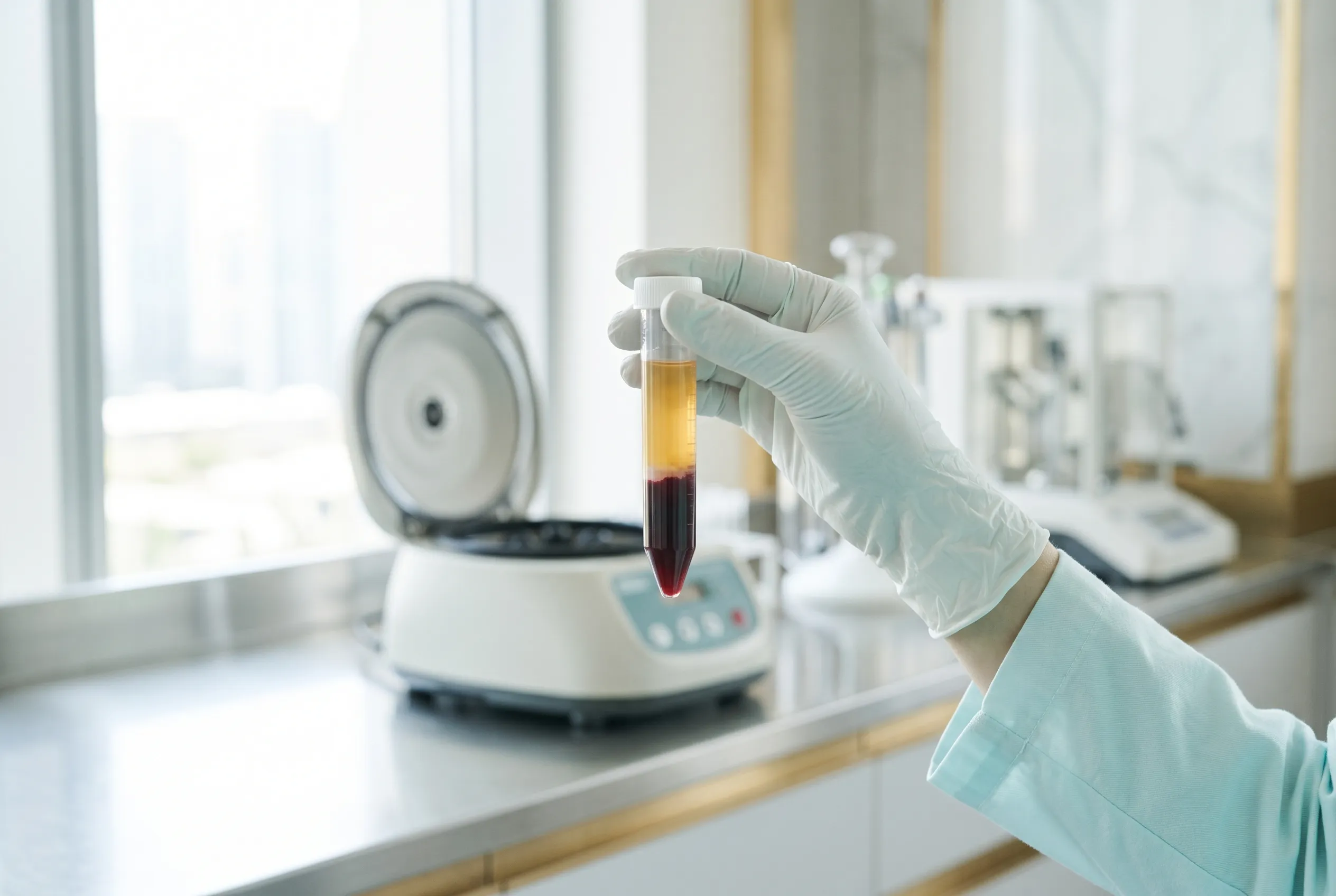
PRP injections in Australia
PRP injections in Australia are offered by sports physicians, orthopaedic surgeons, some GPs and radiology practices. Because there is no Medicare rebate for PRP, patients usually pay privately. Quality varies: PRP preparation systems differ in platelet concentration and whether white cells are included, and imaging guidance is not always used.
Australia’s Sports Medicine Australia and specialist colleges generally regard PRP as a reasonable option for some conditions, but not a proven cure.
What the evidence says
- Knee osteoarthritis: several randomised trials and meta-analyses suggest PRP may reduce pain and improve function for some months compared with placebo or hyaluronic acid, particularly in mild to moderate arthritis. Some high-quality trials show little difference. See our knee osteoarthritis guide.
- Tennis elbow and other tendinopathies: evidence is mixed; some trials show benefit over time compared with cortisone. See tennis elbow.
- Acute muscle injuries: evidence does not clearly support routine use.
Conventional care first
Exercise-based physiotherapy is the first-line treatment for most tendon and knee problems in Australia. Weight management, activity modification, simple pain relief and bracing can also help. Cortisone can give short-term relief. Surgery is appropriate for some structural problems.
How PRP fits into a Bangkok program
At our clinic, PRP is often used alongside stem cell therapy or on its own, depending on your MRI and goals. Injections into joints or deep tendons are guided by ultrasound where appropriate. You leave with a rehab plan to continue with your physiotherapist in Australia.
Who may be a candidate — and who should not
May suit: mild to moderate knee arthritis, chronic tendon pain that has not responded to physiotherapy, people wanting to delay surgery.
Not suitable: low platelet count or platelet disorders, active infection, active cancer, recent cortisone injection in the same area (discuss timing), pregnancy, or severe arthritis needing joint replacement. Some anti-inflammatory and blood-thinning medicines need to be paused — only with your doctor’s advice.
Risks
Temporary pain and swelling for a few days are common, sometimes more than after cortisone. Infection is rare. Some people do not improve.
Travelling from Australia
PRP involves minimal downtime, so it can fit into a short trip. Direct flights take about 9 hours from Sydney and Melbourne and about 7 hours from Perth. Check visa-exempt entry rules on the Thai e-Visa site. Avoid long walking tours for a day or two after knee injections. See the Australia guide and Brisbane or Sydney pages.
Not all PRP is the same
PRP is a general term. Preparations differ in:
- Platelet concentration — how many times more concentrated than normal blood
- White blood cell content — “leukocyte-rich” or “leukocyte-poor” PRP, which may suit different conditions
- Volume and number of injections
- Guidance — ultrasound-guided injection helps place PRP accurately in tendons and some joints
When comparing PRP in Australia and Bangkok, ask which system is used, whether injections are image-guided, and what rehab plan follows. These details matter more than the label “PRP”. Some trials that found little benefit used different preparations from those that found benefit, which partly explains mixed results.
When PRP is combined with other treatment
For some knee and tendon problems our doctors may suggest PRP together with stem cell therapy, or PRP first with stem cells considered later. This depends on your MRI and is explained before any decision. Combining treatments does not guarantee better results.
Sport and PRP in Australia
PRP is popular among Australian runners, footballers and tennis players. It is generally permitted under current anti-doping rules, but rules can change, so athletes in tested sport should check with Sport Integrity Australia before treatment.
Follow-up at home
Continue rehab with your physio, avoid anti-inflammatory tablets for the period your doctor advises, and send updates on WhatsApp.
How to start
Send your MRI or ultrasound report and image link on WhatsApp for a free doctor review. See how it works.
Frequently asked questions
Is PRP covered by Medicare?
Generally no. PRP injections do not attract a Medicare rebate, and private health insurance usually does not cover them out of hospital.
What is PRP used for?
Mainly knee osteoarthritis, tendon problems such as tennis elbow and patellar or Achilles tendinopathy, and some muscle injuries. It is also used for hair loss and skin.
How many PRP injections do I need?
Many protocols use one to three injections a few weeks apart. Your doctor will suggest a plan based on your diagnosis.
Is PRP better than cortisone?
Some studies suggest PRP may give longer-lasting relief than cortisone for knee osteoarthritis and some tendon problems, while cortisone often works faster. Evidence is mixed.
How much do PRP injections cost in Bangkok?
It depends on your diagnosis and whether PRP is combined with other treatment. Send your MRI on WhatsApp for a personalised program.
Can I have PRP if I take blood thinners?
Sometimes, but blood thinners and anti-inflammatories can affect PRP and bruising. Never stop a prescribed blood thinner without your doctor's advice. Tell us all your medicines when you send your MRI.
How soon can I exercise after a PRP injection?
Usually gentle movement within a day or two, then a graded return over several weeks guided by your physiotherapist. High-impact sport is normally avoided for a few weeks.
This page is general information, not medical advice, and does not replace a consultation with your own doctor. Results vary and no treatment outcome can be guaranteed. We are a patient coordination service and may receive a referral fee from partner medical providers. See our medical disclaimer and referral disclosure.