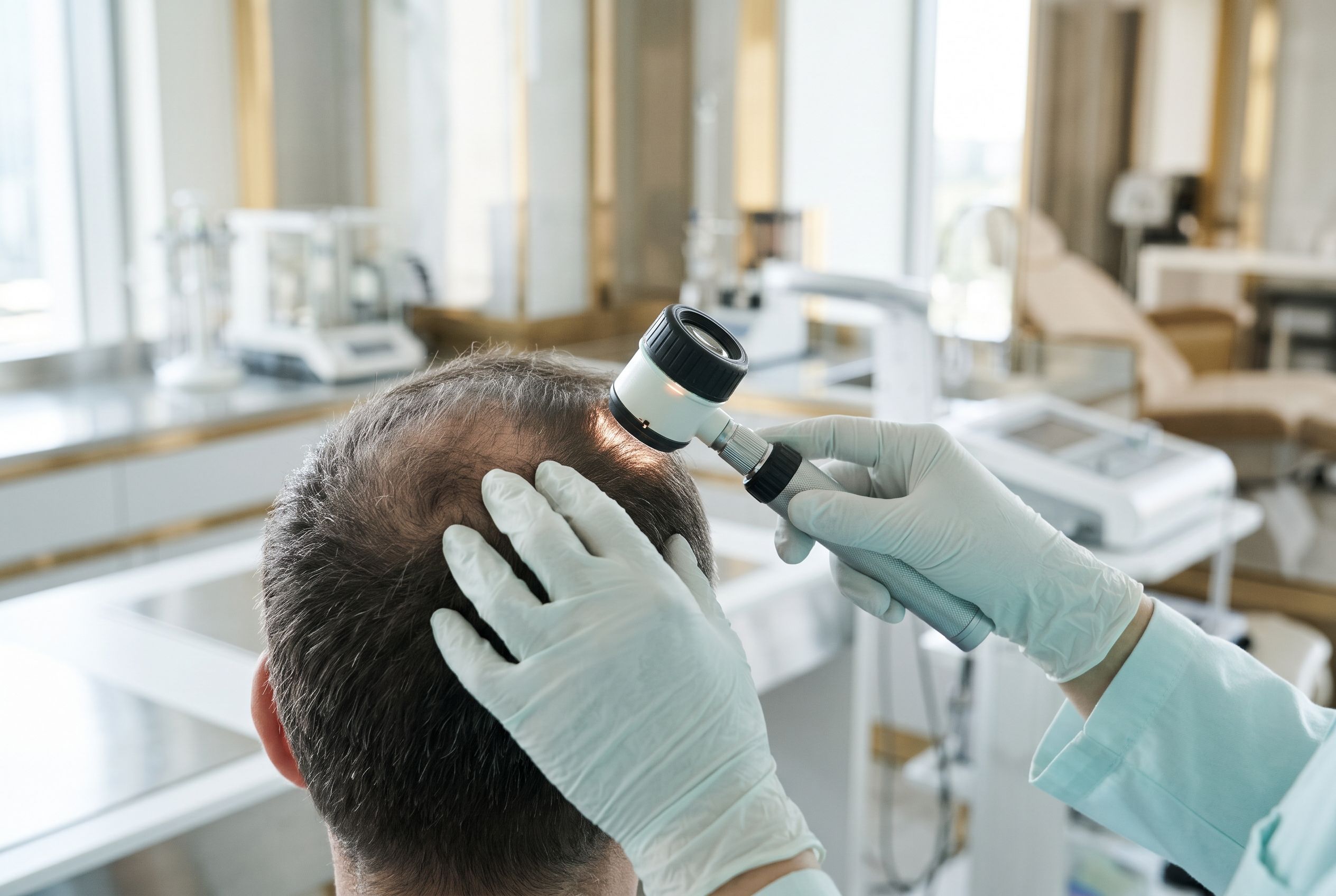
Hair loss treatment in Canada
Searches for hair loss treatment in Canada are highest in Toronto and Vancouver, where private hair clinics advertise heavily. Hair loss has many causes, so a diagnosis should come before any treatment. The Canadian Dermatology Association has public information on hair loss types.
Provincial health plans usually cover a visit to your family doctor and blood tests for medical causes, and referral to a dermatologist when needed (although waits can be long). Treatments for pattern hair loss are generally self-paid.
Getting a diagnosis
Common causes include:
- Male or female pattern hair loss
- Shedding after illness, stress, surgery or pregnancy (telogen effluvium)
- Iron deficiency or thyroid problems
- Alopecia areata
- Scalp conditions and some medicines
Canadian winters bring dry indoor air and hats that can irritate the scalp, but they do not cause pattern hair loss. Low vitamin D is common in Canada; it is worth checking, although its role in hair loss is uncertain.
Conventional options first
| Option | Access in Canada | Evidence |
|---|---|---|
| Topical minoxidil | Over the counter | Good for pattern hair loss |
| Finasteride (men) | Prescription | Good |
| Low-dose oral minoxidil | Prescription, off-label | Growing |
| Spironolactone (some women) | Prescription | Moderate |
| Treating iron/thyroid causes | Through your family doctor | Essential where relevant |
Where PRP and regenerative scalp care fit
PRP concentrates growth factors from your own blood and is injected into the scalp. Small randomised trials suggest modest improvement in density for pattern hair loss, usually alongside medicines. Exosome and cell-derived treatments are newer with early-stage evidence, and Health Canada has not authorised cell-based hair treatments.
See our regenerative hair loss program, PRP and exosome therapy pages.
We do not offer hair transplants, FUE or any hair surgery.
Who may benefit — and who should not
May suit: early to moderate pattern hair loss, people already on minoxidil or finasteride wanting to add PRP.
Not suitable: scarring alopecia, active scalp infection, platelet or bleeding disorders, some blood thinners, pregnancy, active cancer.
Risks
Scalp tenderness, swelling, pinpoint bleeding and headache for a day or two. Infection is rare. Some people see little benefit, and results fade without maintenance.
Travelling from Canada
The trip is long — about 16 hours nonstop from Vancouver when seasonal flights operate, and 20 hours or more with a stop from Toronto. Because PRP needs maintenance, plan with your doctor how sessions fit around your travel, and whether some can be done in Canada. Canadians have generally been able to enter Thailand visa-exempt for short stays; check the Thai e-Visa site. See the Canada guide, Toronto and Vancouver.
Questions to ask any hair clinic
Whether you choose a clinic in Toronto, Vancouver or Bangkok, ask:
- Who makes the diagnosis, and is it a physician?
- What type of hair loss do I have, and what is the evidence for this treatment?
- How is PRP prepared and how many sessions are planned?
- How will progress be measured — standardised photos, trichoscopy?
- What happens if there is no improvement after the course?
Clinics that promise guaranteed regrowth or push large prepaid packages before diagnosis deserve caution.
Hair loss and Canadian seasons
Some Canadians notice more shedding in late summer or autumn, which is often a normal seasonal pattern. Sudden heavy shedding two to three months after an illness, surgery, major stress or childbirth is usually telogen effluvium and typically recovers on its own. Winter hats and dry indoor heating can cause breakage and scalp irritation but not true hair loss. Gentle hair care, moisturising the scalp and treating dandruff help, and a family doctor can check iron and thyroid levels if shedding persists.
Follow-up at home
Take standardised photos every few months, continue medicines through your family doctor, and send photos on WhatsApp for review. See how it works.
How to start
Send scalp photos (front, top, crown), recent blood tests and your current treatments on WhatsApp for a free doctor review.
Frequently asked questions
Does OHIP or MSP cover hair loss treatment?
Provincial plans may cover a doctor's assessment and tests for medical causes, but treatments for pattern hair loss and PRP are generally not covered.
What is the best hair loss treatment in Canada?
For pattern hair loss, minoxidil and (for men) finasteride have the strongest evidence. A dermatologist may suggest other prescription options. PRP may add modest benefit.
Does PRP for hair work?
Small randomised trials suggest modest improvement in hair density for pattern hair loss, with maintenance sessions needed. Results vary.
Do you offer hair transplants?
No. We do not offer hair transplants, FUE or any hair surgery. Our hair programs are non-surgical only.
How much does hair loss treatment in Bangkok cost?
It depends on your diagnosis and plan. Send scalp photos and blood tests on WhatsApp for a personalised program.
Is minoxidil available without a prescription in Canada?
Yes, topical minoxidil is sold over the counter in Canadian pharmacies. Oral minoxidil and finasteride require a prescription.
How long before PRP results show?
Usually three to six months. Take standardised photos before treatment and every few months so progress can be judged fairly.
This page is general information, not medical advice, and does not replace a consultation with your own doctor. Results vary and no treatment outcome can be guaranteed. We are a patient coordination service and may receive a referral fee from partner medical providers. See our medical disclaimer and referral disclosure.