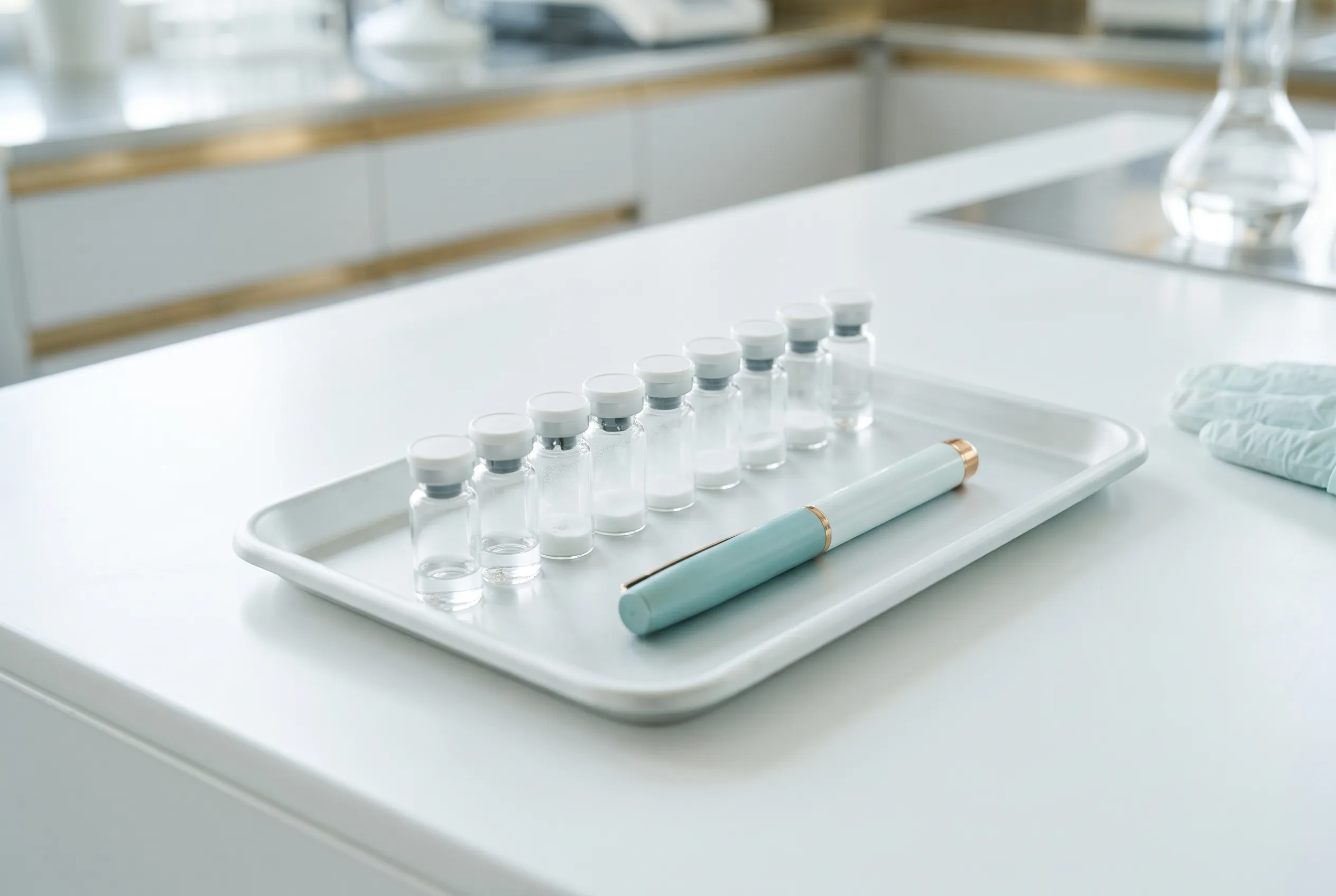
Peptide therapy in the UK
Peptide therapy in the UK covers two very different things. On one side are licensed medicines — insulin, GLP-1 medicines for diabetes and weight, and others — which are prescribed by doctors under MHRA regulation. On the other are experimental peptides promoted on social media, in gyms and by some London clinics for injury healing, skin, muscle or ageing.
Many experimental peptides are not licensed medicines in the UK. Some are sold online as “research chemicals”, which avoids medicines rules but means no quality control. The MHRA has repeatedly warned the public about buying medicines from unregulated websites.
What the evidence says
- Licensed peptides have strong evidence for their approved uses.
- Experimental peptides (for example BPC-157, TB-500, some growth-hormone secretagogues) are supported mainly by animal or lab studies. Human trials are few and small, and long-term safety is unknown.
We tell every patient which category a proposed peptide falls into. Read our peptide therapy page.
Conventional care first
For injuries, a diagnosis and physiotherapy come first. For weight and metabolic concerns, your GP can assess you and, where eligible, prescribe licensed medicines. For ageing concerns, evidence-based lifestyle measures matter most — see our longevity program.
How doctor-led peptide therapy works in Bangkok
- Send your history, recent blood tests and goals on WhatsApp.
- A doctor reviews whether any peptide is appropriate and discusses alternatives.
- If suitable, a written plan sets out dosing, monitoring and when to stop.
- Peptides may be combined with other care such as NAD+ IV therapy or regenerative treatment for joints and tendons.
If you plan to take any medicine back to the UK, check UK import rules first. Some substances cannot be brought into the UK, and we will not encourage you to break any law.
Who should not use peptide therapy
- Pregnant or breastfeeding women
- People with active cancer or certain cancer histories
- Athletes in tested sport without clearance from UK Anti-Doping
- People with uncontrolled heart, kidney or liver disease, unless their specialist agrees
Risks and side effects
Injection-site redness or pain, nausea, headache, flushing, fluid retention, changes in blood sugar or blood pressure, depending on the peptide. The biggest risk with online products is not knowing what you are injecting.
Red flags in UK peptide marketing
Be wary of providers that sell without a consultation, promise rapid fat loss or “accelerated healing”, cannot show where products are made, or offer large prepaid bundles. A responsible clinic explains uncertainty and arranges monitoring.
Travelling from the UK
Bangkok is about 11.5–12 hours direct from London Heathrow. British passport holders have generally been able to enter visa-exempt for short stays — check the Thai e-Visa site. The NHS does not fund this treatment and the GHIC does not apply in Thailand. Bangkok is 6–7 hours ahead of the UK. See the UK guide and London.
Telling your GP
Some people worry that their GP will disapprove of peptide use. It is still important to tell them: peptides can interact with other medicines, affect blood tests and mask or mimic symptoms. A written summary from your treating doctor, with the names and doses of anything prescribed, makes this conversation easier and keeps your NHS record accurate.
Peptides and UK gym culture
Peptides are often discussed in UK gyms alongside other performance products. Mixing several unregulated products makes side effects harder to predict and can hide health problems. If you already use peptides, tell your doctor — knowing exactly what you take is essential for safe care.
Follow-up at home
Share your treatment summary with your GP. Repeat blood tests can be done in the UK (through your GP or a private lab) and sent on WhatsApp for review. See how it works.
Frequently asked questions
Are peptides legal in the UK?
Licensed peptide medicines are legal on prescription. Many peptides marketed for healing or anti-ageing, such as BPC-157, are not licensed medicines in the UK, and selling them for human use is not permitted.
Is it safe to buy peptides online in the UK?
No. The MHRA has warned about unlicensed medicines bought online, which may be contaminated, fake or wrongly dosed.
What are the side effects of peptide therapy?
They depend on the peptide but can include injection-site reactions, nausea, flushing, headache, water retention and changes in blood sugar. Long-term effects of experimental peptides are unknown.
Can athletes use peptides?
Many peptides are prohibited by the World Anti-Doping Agency. UK athletes in tested sport should check with UK Anti-Doping first.
How much does peptide therapy cost?
It depends on your assessment and plan. Send your blood tests and history on WhatsApp for a personalised program.
Can a UK GP prescribe peptides?
GPs can prescribe licensed peptide medicines when clinically indicated. They will not usually prescribe unlicensed peptides marketed for healing or anti-ageing.
Do peptides show up on blood tests?
Some peptides affect hormone, glucose or growth factor results, which can confuse your doctor. Always tell anyone ordering your blood tests what you are taking.
This page is general information, not medical advice, and does not replace a consultation with your own doctor. Results vary and no treatment outcome can be guaranteed. We are a patient coordination service and may receive a referral fee from partner medical providers. See our medical disclaimer and referral disclosure.