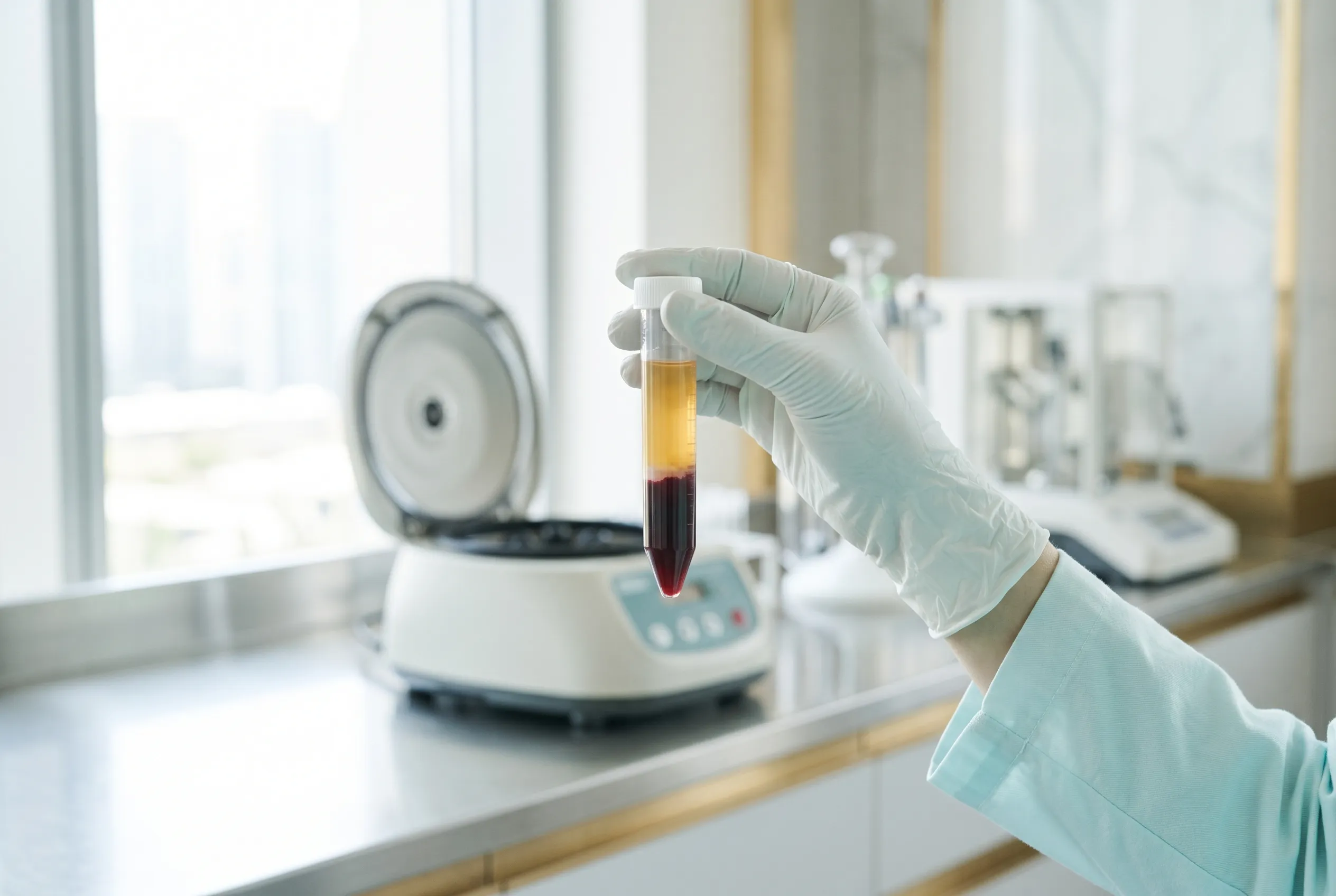
PRP injections in Canada
PRP injections in Toronto, Vancouver and other Canadian cities are offered by sports medicine physicians, orthopaedic surgeons and some physiatrists. PRP is generally an uninsured service under provincial plans, so patients pay privately; some extended health benefit plans may reimburse part of it.
Long waits for orthopaedic consultation and imaging in parts of Canada mean that many patients arrive at PRP after months of pain, sometimes without a recent MRI.
What the evidence says
- Knee osteoarthritis: several trials and meta-analyses suggest PRP may reduce pain and improve function for months compared with hyaluronic acid or saline in mild to moderate arthritis, though some well-designed trials found little difference. See knee osteoarthritis.
- Tennis elbow and other tendinopathies: mixed; some trials favour PRP over cortisone in the longer term. See tennis elbow.
- Plantar fasciitis: small studies with mixed results.
Conventional care first
Exercise-based physiotherapy, weight management, activity modification, bracing and simple pain relief are first-line. Cortisone can give short-term relief. Surgery suits some structural problems.
How PRP is used in our Bangkok programs
PRP is offered on its own or with stem cell therapy, depending on your MRI and goals. Joint and deep tendon injections are image-guided where appropriate, and you leave with a written rehab plan for your Canadian physiotherapist.
Not all PRP is the same
Ask any provider in Canada or Bangkok which PRP system they use, whether it is leukocyte-rich or leukocyte-poor, whether injections are ultrasound-guided, and how many are planned. These details explain much of the variation in study results.
Who may be a candidate — and who should not
May suit: mild to moderate knee arthritis, chronic tendon pain after physiotherapy, people wanting to delay surgery.
Not suitable: platelet disorders, active infection, active cancer, recent cortisone in the same area (timing matters), pregnancy, severe arthritis needing replacement.
Risks
Pain and swelling for a few days are common. Infection is rare. Some anti-inflammatory and blood-thinning medicines may need adjusting — only on medical advice. Some people do not improve.
Travelling from Canada
From Vancouver, about 16 hours nonstop when seasonal flights run, or 18–22 hours with a stop in Asia; from Toronto, 20 hours or more via Asia, the Gulf or Europe. Long flights after knee or ankle injections raise clot risk — walk regularly, hydrate and ask your doctor about compression stockings. Canadians have generally been able to enter Thailand visa-exempt for short stays; check the Thai e-Visa site. See the Canada guide, Toronto and Vancouver.
Getting your scan
Request MRI or ultrasound reports and images through your hospital or imaging clinic. In British Columbia and Alberta, private MRI clinics can offer faster scans. Send the report and image link on WhatsApp for a free doctor review.
Questions to ask about PRP in Canada or Bangkok
Because PRP is self-paid in Canada, it is worth comparing providers carefully:
- What is my diagnosis, and what is the evidence for PRP in that condition?
- Which PRP system is used, and is it leukocyte-rich or leukocyte-poor?
- Will the injection be ultrasound-guided?
- How many injections are planned, and how will results be measured?
- What physiotherapy follows, and who supervises it?
- Do I need to stop any medicines beforehand?
Extended health benefit plans vary widely. Some reimburse part of PRP if prescribed by a physician; many do not. Ask your insurer for written confirmation before treatment, and keep receipts — some medical expenses may be claimable on your tax return, so check with a tax professional.
Combining PRP with other treatment
For some knee and tendon problems, our doctors may suggest PRP together with stem cell therapy, or PRP first with other options considered later. The choice depends on your MRI and goals, and combining treatments does not guarantee better results.
Follow-up at home
Continue rehab with your physiotherapist, share your treatment summary with your family doctor and send updates on WhatsApp. See how it works.
Frequently asked questions
Is PRP covered by OHIP or MSP?
Generally no. PRP is considered an uninsured service. Some extended health plans may reimburse part of the cost; check with your insurer.
What conditions is PRP used for?
Mainly knee osteoarthritis, tendon problems such as tennis elbow and patellar or Achilles tendinopathy, plantar fasciitis, and some hair and skin concerns.
How many PRP injections do I need?
Often one to three injections a few weeks apart. Your doctor will recommend a plan based on your diagnosis.
Is PRP better than cortisone?
Some studies suggest PRP gives longer-lasting relief than cortisone for knee arthritis and some tendon problems, while cortisone works faster. Evidence is mixed.
How much does PRP in Bangkok cost?
It depends on your diagnosis and whether PRP is combined with other treatment. Send your MRI on WhatsApp for a personalised program.
Can I have PRP if I take blood thinners?
Sometimes, but blood thinners can increase bruising and some anti-inflammatories may affect PRP. Never stop a prescribed blood thinner without medical advice.
How soon can I return to hockey or skiing after PRP?
Usually after a graded rehab program over several weeks. High-impact sport too soon may aggravate the treated area. Your physiotherapist will guide timing.
This page is general information, not medical advice, and does not replace a consultation with your own doctor. Results vary and no treatment outcome can be guaranteed. We are a patient coordination service and may receive a referral fee from partner medical providers. See our medical disclaimer and referral disclosure.